





What does the research say?
For years, art in hospitals was treated as decoration. Research now shows it plays a meaningful role in patient recovery. Studies pioneered by Roger Ulrich and adopted in leading institutions like the Cleveland Clinic and the Mayo Clinic show that thoughtfully designed visual environments can reduce stress, lower perceived pain, and even support shorter recovery times. When patients feel calmer, their bodies respond more positively to treatment.
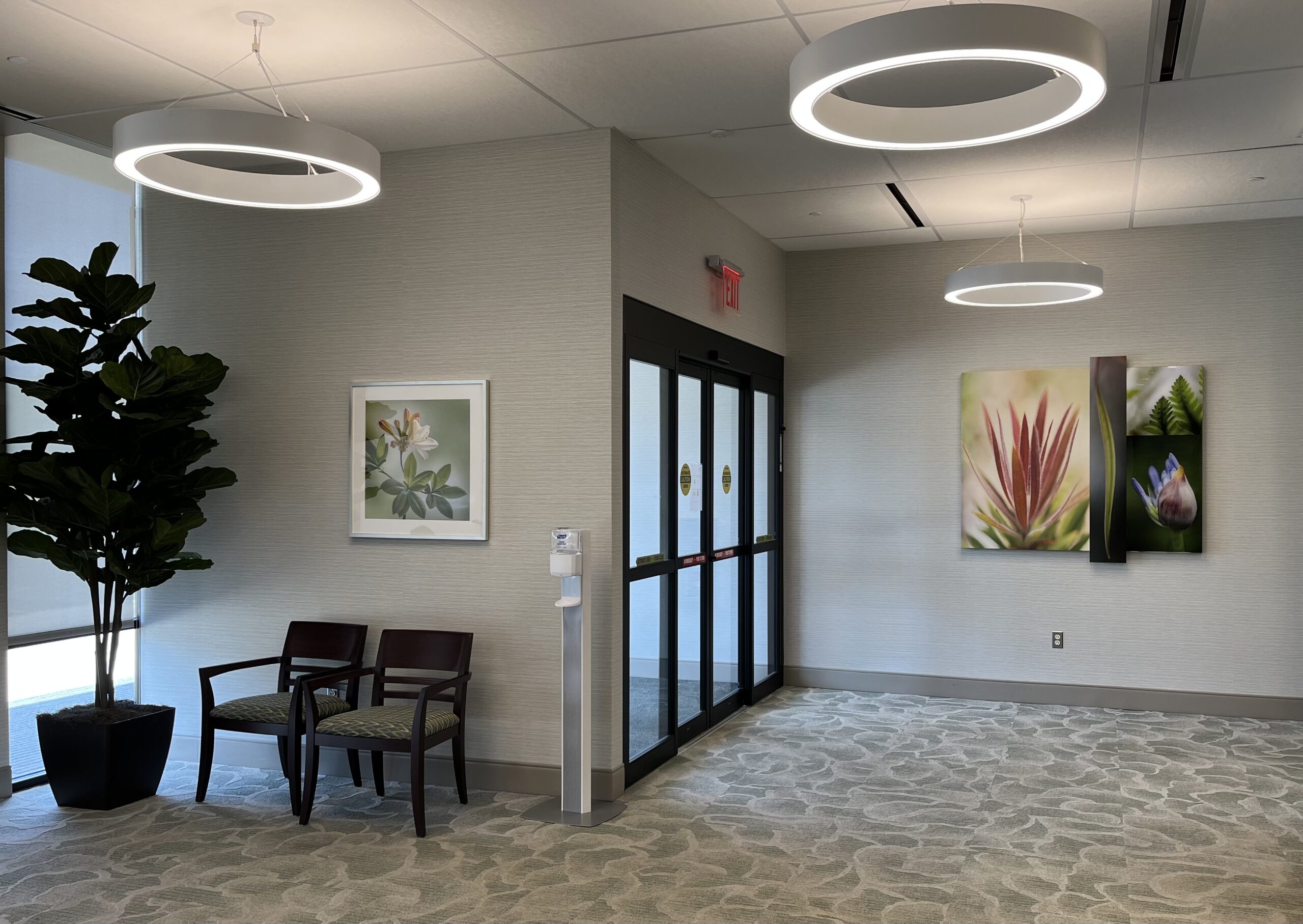
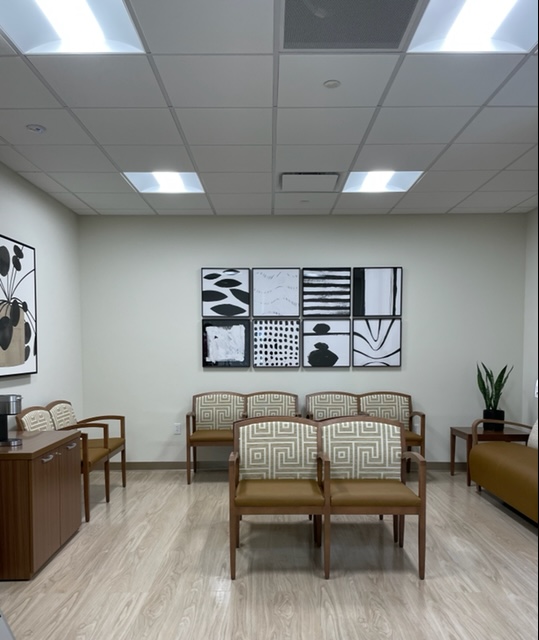
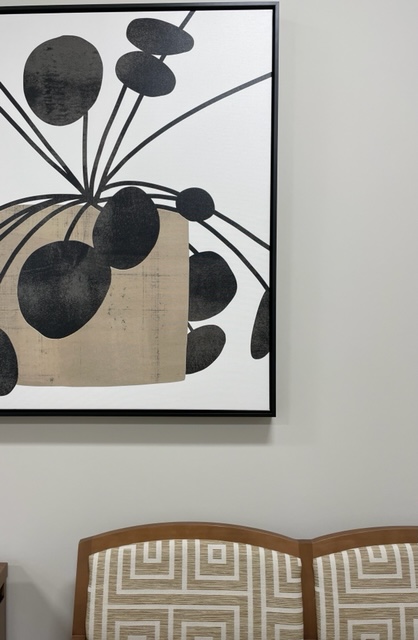
Not all art produces the same effect though. Research consistently favors nature-based, representational imagery that provides positive distraction. Chaotic or ambiguous abstracts can increase anxiety, especially in high stress clinical settings. Cultural relevance also matters- artwork that reflects the community builds trust and reinforces a sense of belonging within healthcare spaces.
For healthcare leaders, art is not a finishing touch; it is a strategic asset. Calming environments can improve patient satisfaction, strengthen staff moral, and strengthen brand perception. When selected intentionally, art becomes part of the healing infrastructure itself.
Comments are closed.